






















































 English
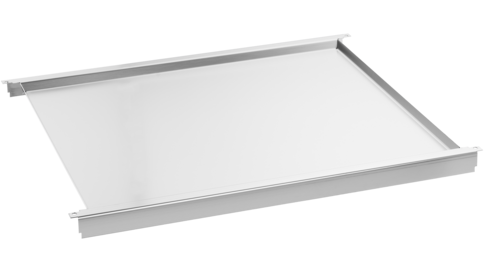
Stainless steel worktop
Advantages:
- Very robust and durable (high resistance to mechanical stress)
- Corrosion-resistant (does not rust)
- Easy to clean (ideal for oil, grease and chemicals)
- Hygienic (no pores → no penetration of dirt or bacteria)
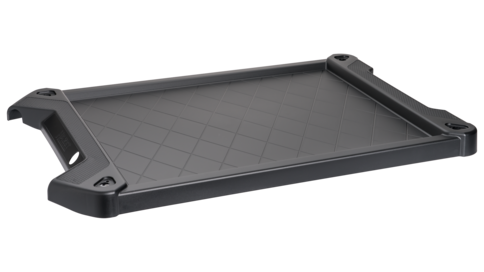
Plastic worktop
Advantages:
- Shock-resistant and flexible
- Lightweight
- Corrosion-free (no rust)
- Chemical-resistant
Disadvantages:
- Heat-sensitive (may warp)
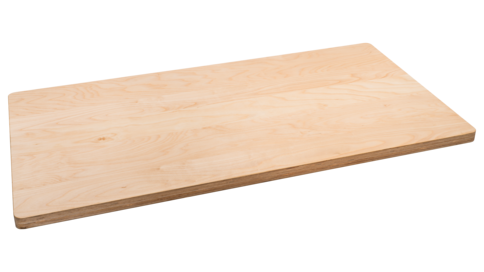
Multiplex worktop (wood)
Advantages:
- Very sturdy and high load-bearing capacity
- Gentle on tools (no damage to edges)
- Pleasant to the touch (warm, slip-resistant)
- Good noise reduction
- Can be repaired/sanded
Disadvantages:
- Sensitive to moisture and chemicals
- Requires maintenance (oiling/varnishing necessary)
Motor vehicle repair workshop
Best choice: Work bench with a multiplex worktop (wood) or a tool trolley with a stainless steel worktop (a combination of both is ideal)
Why:
- A lot of mechanical work (screwing, hammering) → high stress
- Tools must not be damaged → wood is gentle on them
- Contact with oil/grease → stainless steel is easier to clean
Recommendation:
- Multiplex for standard workbenches (all-round)
- Stainless steel as an additional or alternative option where there is a lot of oil, brake fluid, etc.
Industry / Manufacturing
Best choice: Tool trolleys with stainless steel or plastic worktops (depending on the area)
Why:
- High standards of cleanliness and durability
- Contact with chemicals, oils or coolants
Recommendation:
- Stainless steel for heavy-duty work, high loads and industrial environments
- Plastic for sensitive components
Installation / Service
Best choice: a tool trolley with a plastic worktop or a work bench with a multiplex worktop
Why:
- Lighter tasks, often requiring mobility
- Less extreme strain
- Focus on ergonomics and noise reduction
Recommendation:
- Plastic for mobile applications, service vehicles and ESD-sensitive areas
- Multiplex for more stable installation sites with moderate loads
Electronics / Precision Engineering
Best choice: ESD plastic
Why:
- Protection for sensitive components
- No scratches or damage
- Partial antistatic requirements